Rope Materials Compared: The Right Choice for Shibari and Kinbaku
In Shibari and Kinbaku, the rope you choose influences safety, sensation, and your environmental footprint. Beyond strength and elasticity, skin friendliness and eco-friendliness have become key decision factors. In this updated article we expand the comparison and present a comprehensive table.
In this article, we compare the most common options: jute, hemp, linen/flax, cotton, and synthetics like nylon and paracord.

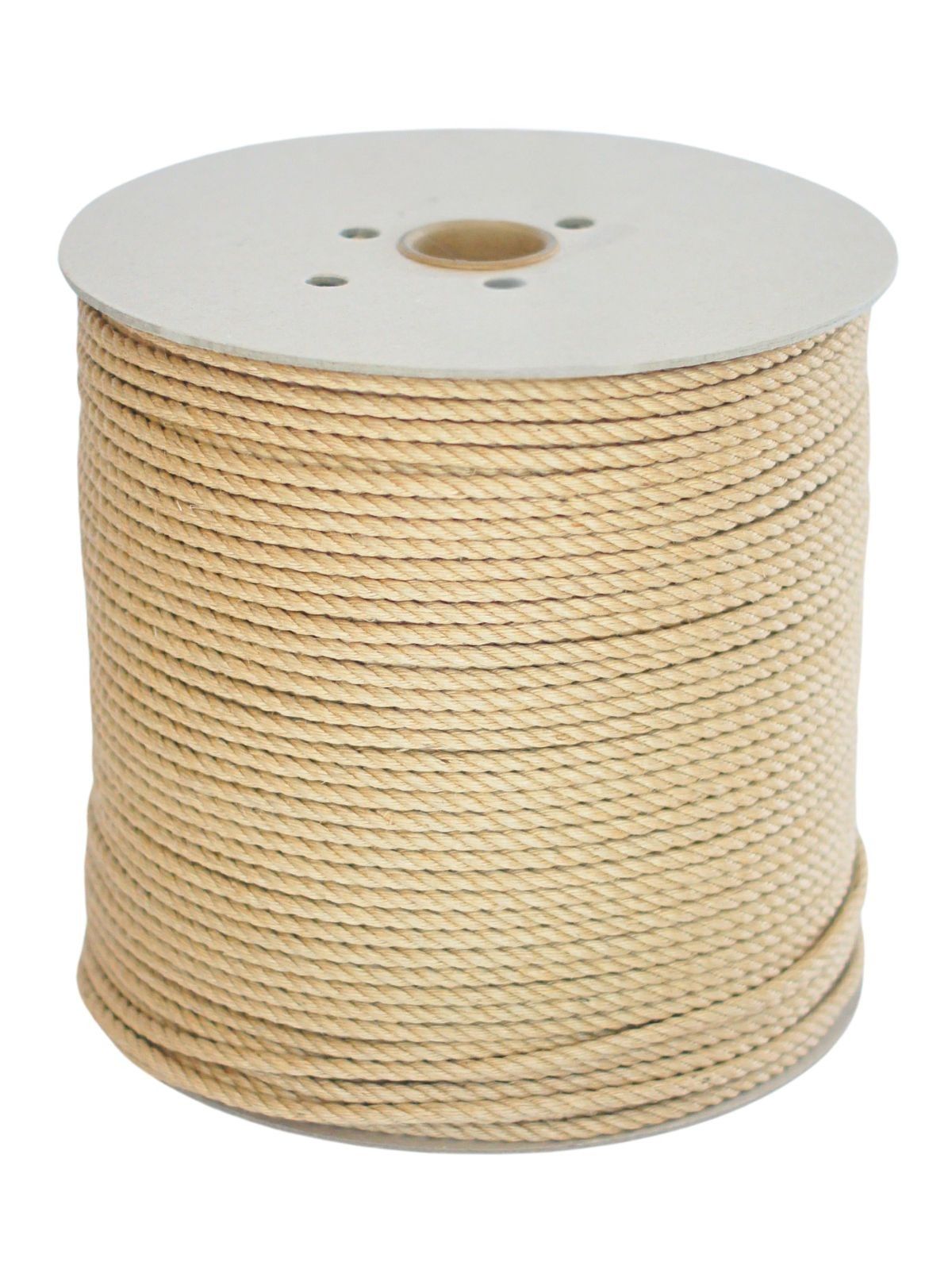
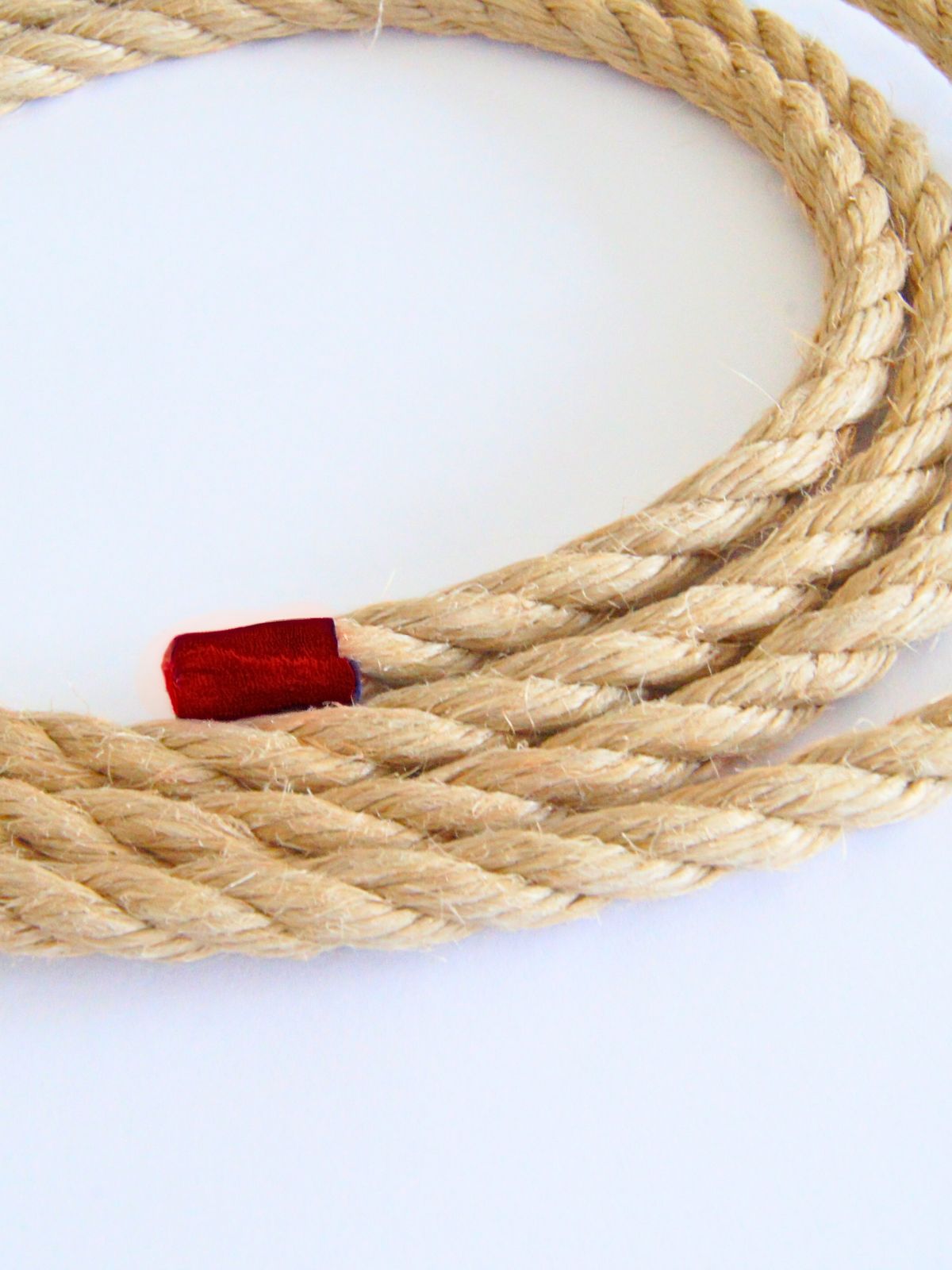
Jute - the dominant fibre
Jute has been the dominant material for four decades – and for good reasons.
Compared to hemp, jute has almost identical low elasticity, making it ideal for quick tying and untying. It doesn’t compress under load like cotton, so knots stay easy to release. Identically twisted jute has about 23.4 % less strength than hemp and 33 % less than linen/flax, but 20 % more than cotton. Nylon reaches roughly 233 % of jute’s strength. Untreated hemp can smell sharp, linen loses strength when wet and tends to rot. Jute absorbs your skin oils, conditions itself, reduces fuzz and improves shine. Synthetics like nylon or paracord create higher friction and increase the risk of rope burns. Hybrid ropes with synthetic cores can slice like cheese wire if damaged.
Pros and Cons in Detailed Overview
| Material | Pros | Cons | Skin Friendliness | Eco-Friendliness | Breaking Strength (approx. 6 mm) | Elasticity |
|---|---|---|---|---|---|---|
| Jute | Low elasticity – perfect for tying/untying, absorbs skin oil for silky feel, lightweight, odorless (no JBO) | Weaker than hemp, requires expertise | Medium to good (can feel rough at first, needs to be treated with oil/wax and conditions over time by absorbing skin oils; lower burn risk than synthetics) | High (biodegradable, low water & pesticide needs, sustainably grown) | Low-medium (approx. 200–300 lbs / 90–136 kg) | Very low |
| Hemp | Stronger than jute, excellent knot grip, softens over time, durable | Possible smell, heavier, absorbs dirt & moisture | Good (softer than jute, more comfortable on skin, less irritation) | Very high (biodegradable, CO₂-binding, minimal pesticides) | Medium-high (approx. 400–500 lbs / 181–227 kg) | Low |
| Linen/Flax | High strength, soft, machine-washable | Weakens significantly when wet, prone to rotting | Good to very good (soft and often described as particularly skin-friendly) | High (biodegradable, slightly higher cultivation impact than jute) | High (approx. 450–550 lbs / 204–249 kg) | Low |
| Cotton | Soft, affordable, pleasant on skin | Compresses under load, hard to untie, low strength | Very good (very soft and skin-friendly, often hypoallergenic) | Medium (biodegradable but high water & pesticide use in conventional farming) | Low (approx. 160–250 lbs / 73–113 kg) | Medium |
| Nylon/Paracord (synthetic) | Extremely strong, durable, low maintenance | High friction, burn risk, slippery, can cut if damaged | Low (higher risk of friction burns, less natural feel) | Low (non-biodegradable, petroleum-based, microplastic issues) | Very high (approx. 1200–1500 lbs / 544–680 kg) | High (especially paracord) |
The expanded table clearly shows the strengths of natural fibers: superior skin compatibility and far better environmental performance. Thanks to its lightness, self-conditioning with skin oils, and sufficient strength, jute remains the go-to rope for the vast majority of practitioners.
Hemp is excellent when you want more power and softness. Synthetics only make sense for extreme loads, but come with clear drawbacks for skin and planet.
Always match the rope to your planned activities (floorwork or suspension), your partner’s skin sensitivity, and your personal values. Regular inspection and proper care are essential for every material.
Book Recommendations
- Essence of Shibari: Kinbaku and Japanese Rope Bondage – The comprehensive classic on the art of kinbaku with strong focus on materials and safety.
- Shibari You Can Use: Japanese Rope Bondage and Erotic Macramé by Lee Harrington – Practical guide full of techniques and rope know-how.
- Foundations of Rope Bondage: A Fun and Friendly Introduction to Rope Fundamentals by Lazarus Redmayne et al. – Perfect for beginners with useful material tips.
- Kinbaku: The Art of Rope Bondage by Nawashi Murakawa – Deep insights into tradition and modern practice.
Sources
- Original comparison text and specialist knowledge (based on amatsunawa.com)
- Additional data on skin friendliness and environmental impact: Shibari Academy, Rope Study, TheDuchy, Natural Fiber Company, and LCA studies on natural vs. synthetic fibers
- Breaking strength figures from Rope-Study and manufacturer data (as of 2026)
- Amazon book data (as of April 2026)