Pre-Dyed Jute Ropes vs. Ropes from Pre-Dyed Yarn: Moisture, Shrinkage & Quality Check for Shibari and Kinbaku
In Shibari and Kinbaku practice, choosing the right rope is crucial for aesthetics, comfort, and above all safety.
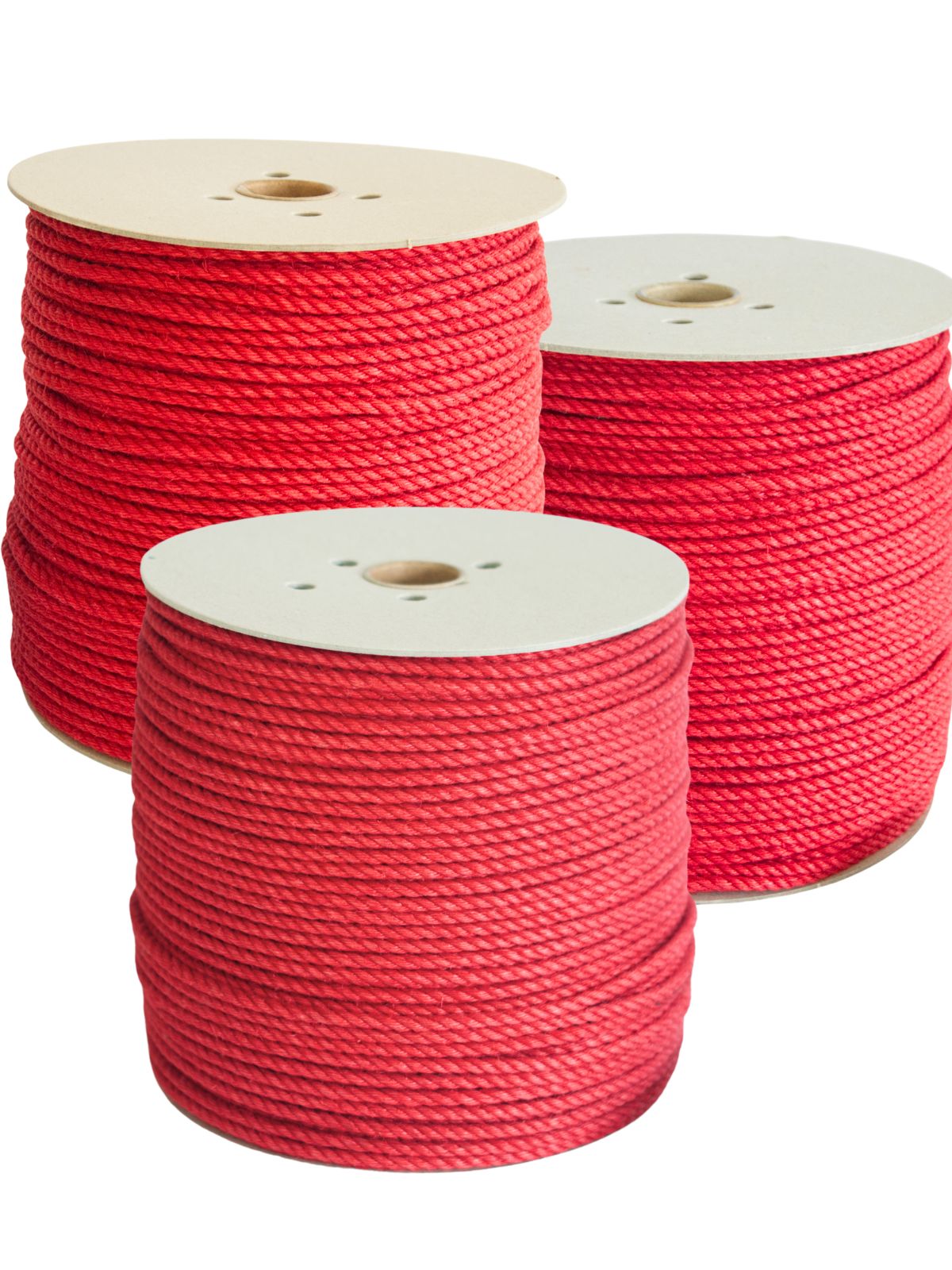
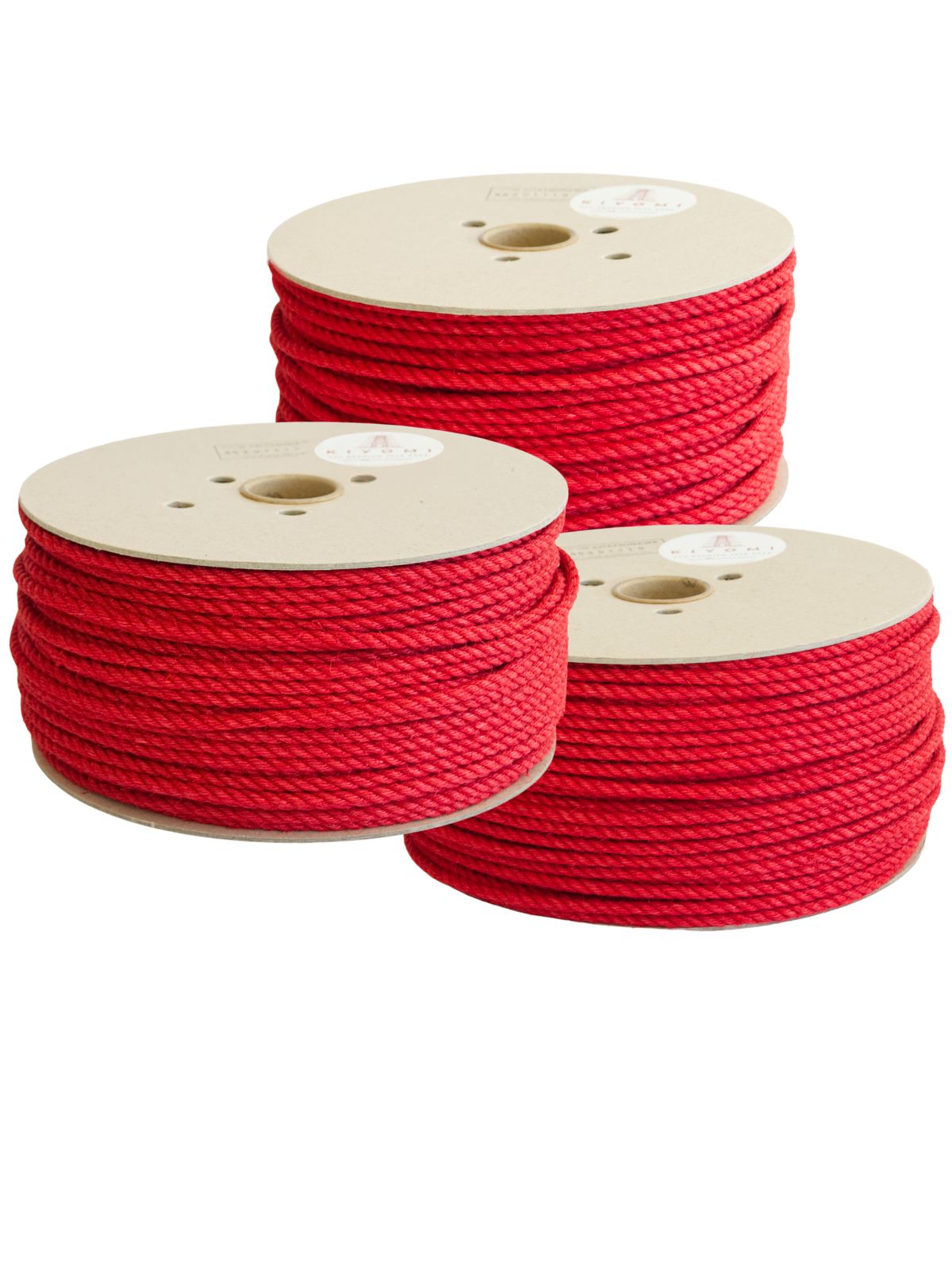
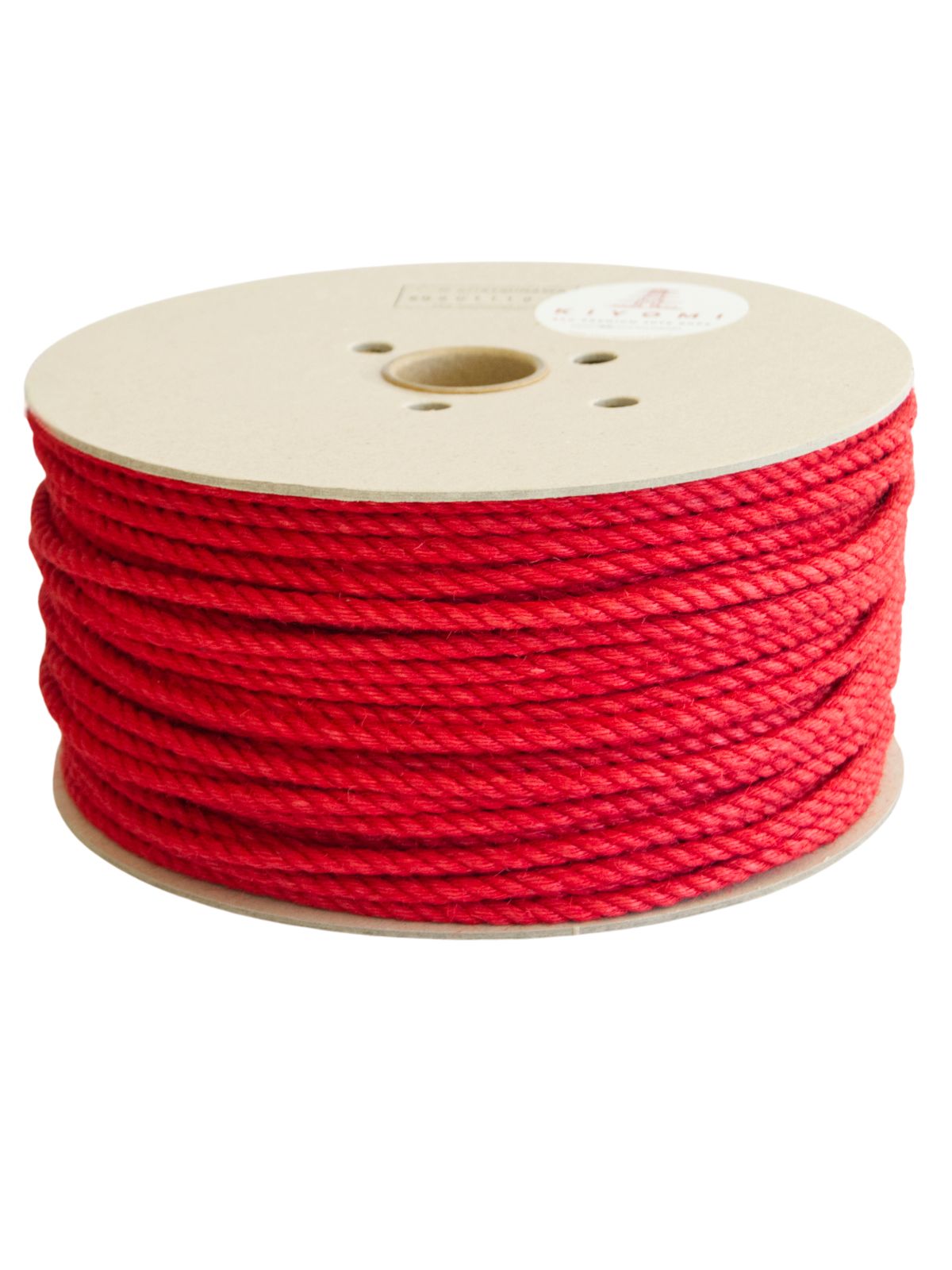
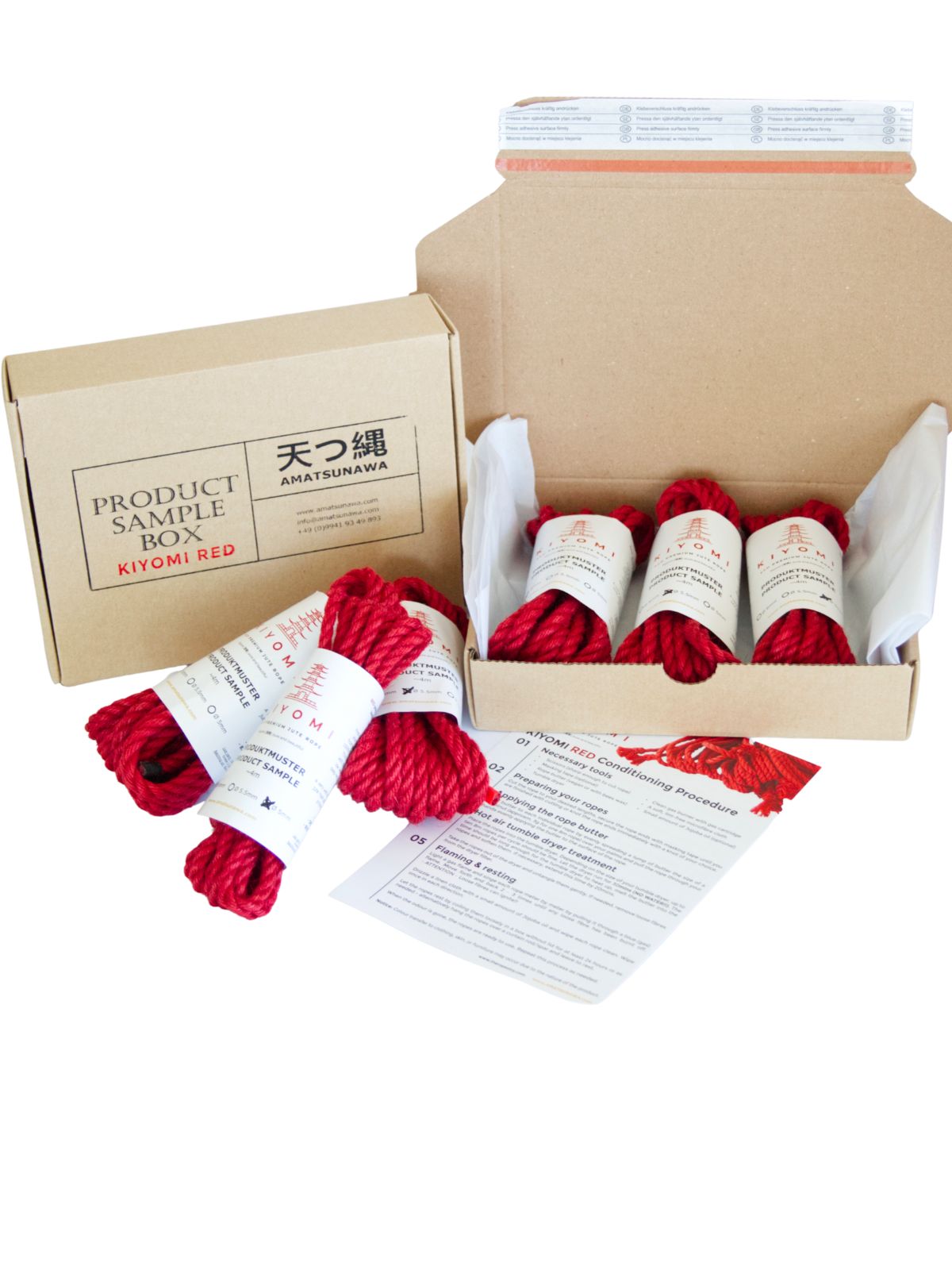
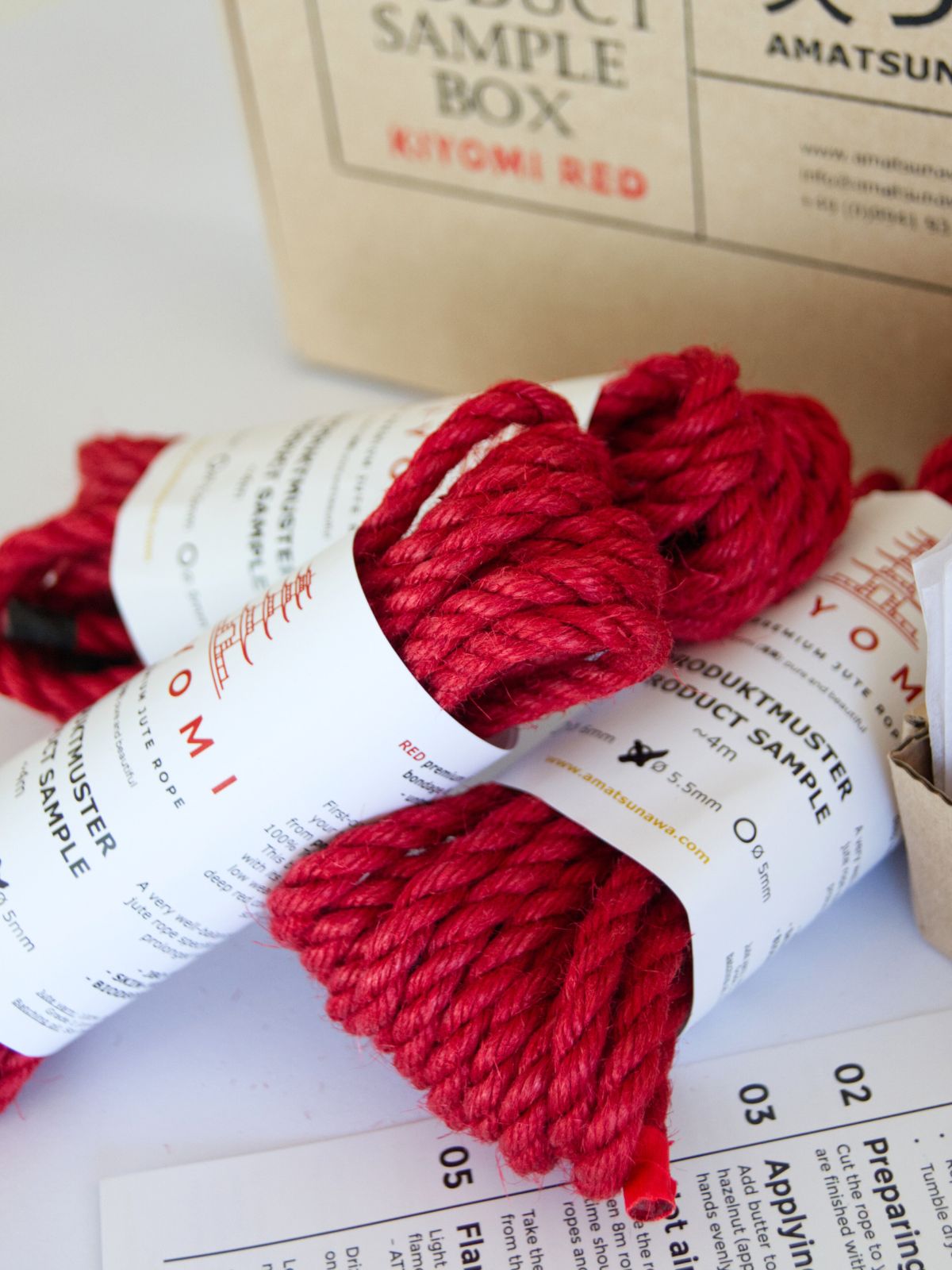
Many colored jute ropes are available – but there is a significant difference between pre-dyed jute ropes (where the finished rope is dyed) and ropes made from pre-dyed yarn such as KIYOMI RED from AMATSUNAWA, particularly in preserving structural integrity and stability.
And as a hydrophilic natural fiber, jute has specific properties you should consider.

What Are Pre-Dyed Jute Ropes?
In the classic sense, pre-dyed jute ropes are finished twisted ropes that are subsequently immersed in a dye bath. The color usually penetrates only superficially. This method is inexpensive but can stress the fibers: The rope may become more brittle, the color rubs off faster, and load capacity can decrease – especially if the rope is dried without longitudinal tension after dyeing.
Ropes Made from Pre-Dyed Yarn – The Premium Standard
KIYOMI RED is produced from pre-dyed 100 % Tossa Jute yarn, Grade 1. The eco-friendly dyeing takes place at yarn level before the strands are laid into rope. This creates a consistent, intense color while fully preserving structural integrity. The lay of KIYOMI RED is deliberately chosen slightly looser to achieve optimal suppleness despite the dyed yarn. True diameters available: 5 mm, 5.5 mm, and 6 mm with certified breaking loads of 185 daN (5 mm), 198 daN (5.5 mm), and 228 daN (6 mm) respectively.
Jute’s Moisture Behavior – An Important Factor for Both Variants
Jute readily absorbs liquid. An unsupported rope exposed to water shrinks ~6 % in length and swells ~20 % in diameter. When dried without longitudinal tension, it settles ~4 %, but the diameter does not fully return to its original size. The rope may feel lighter, and its load-bearing capacity can be reduced.
We strongly recommend a simple quality check: Cut a short piece, unravel it, and count the yarns. High-quality jute ropes (14/1 or 15/1 Jute Count) show these totals:
- ø 6.0 mm = 33 yarns
- ø 5.5 mm = 30 yarns
- ø 5.0 mm = 27 yarns
- ø 4.5 mm = 24 yarns
A pre-dyed 6 mm rope that feels light and has only 27 yarns is likely an originally smaller rope (e.g., 5 mm) that was dried without tension. For high-risk suspensions, always account for the reduced load limits.
Proper Drying Under Longitudinal Tension
Natural drying under tension helps the wet rope return largely to its original dimensions. Apply the following minimum weights per meter:
- ø 6.0 mm = 980 g
- ø 5.5 mm = 900 g
- ø 5.0 mm = 800 g
- ø 4.5 mm = 750 g
This measure minimizes shrinkage and diameter changes and preserves stability.
Conclusion
Pre-dyed jute ropes can be an affordable entry-level option but often involve compromises in stability and longevity. Ropes made from pre-dyed yarn such as KIYOMI RED from AMATSUNAWA offer professional quality: intense, consistent color, full structural integrity, and optimized feel.
Understand jute’s moisture behavior, consistently apply the yarn-count quality check, and dry under tension – then you can enjoy safe, durable, and aesthetically pleasing ropes for demanding Shibari and Kinbaku applications.