
The History of Jute Rope: From Ancient Origins to Modern Shibari and Kinbaku
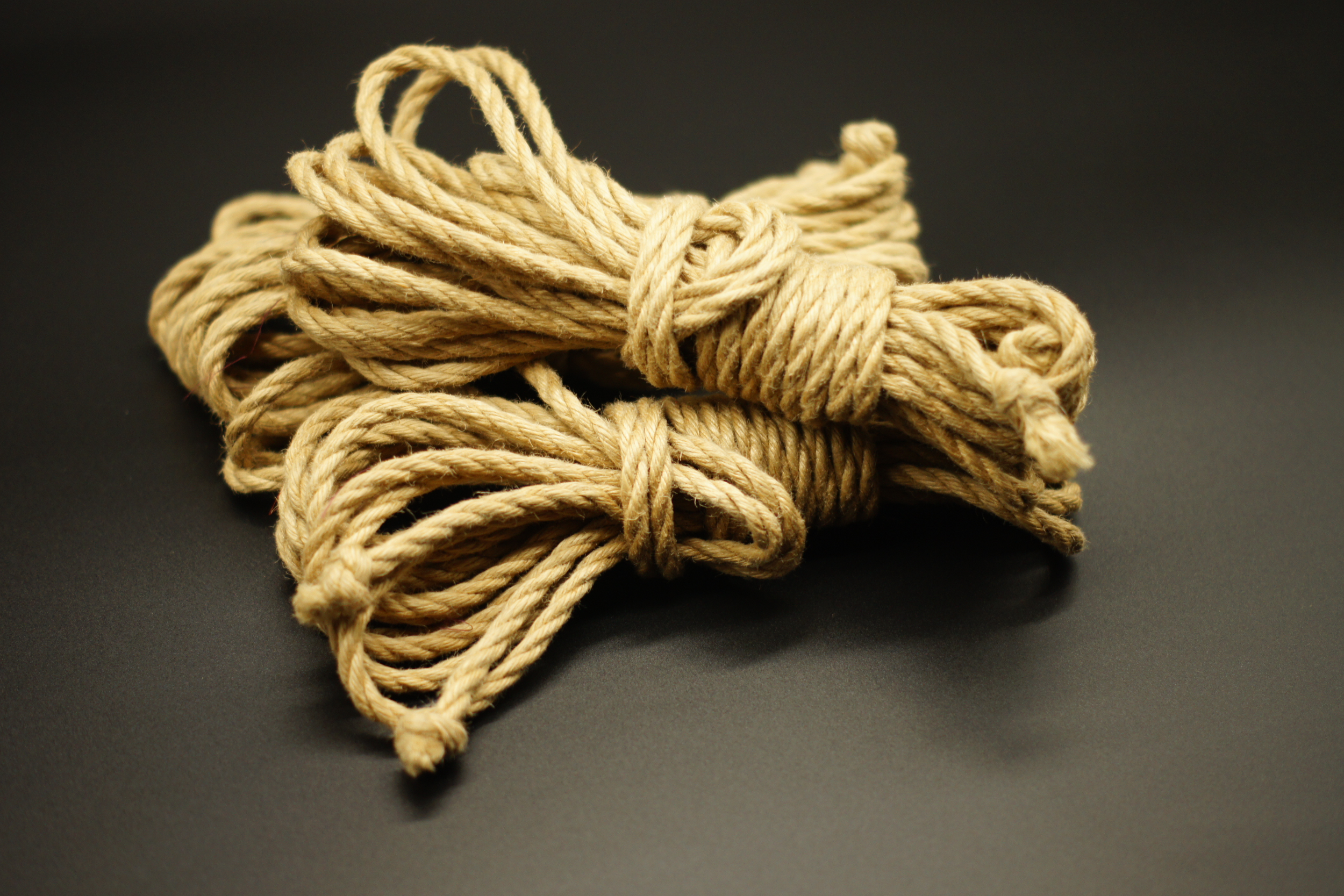
Jute rope occupies a unique place in the world of Shibari and Kinbaku. While hemp (asanawa) was the traditional material of Japanese rope bondage, jute has become the most widely used natural fiber today.
Its story spans thousands of years, colonial trade routes, industrial innovation, and the evolution of erotic rope art. Understanding this history helps practitioners appreciate why jute offers the perfect combination of strength, grip, and beauty for intimate tying.


Ancient Origins of Jute Fiber
Jute, derived from the Corchorus plant, traces its roots to the Indus Valley Civilization around the third millennium BC. Archaeological evidence shows early use for textiles, ropes, and household items in what is now India and Bangladesh. For centuries, Bengali farmers cultivated jute for twines, sacks, and coarse fabrics.
The fiber’s natural golden sheen earned it the nickname “golden fibre.” Its biodegradability, affordability, and versatility made it indispensable long before industrialization.
Industrial Revolution and Global Commercialization
The modern jute industry exploded in the 19th century. In 1833, Thomas Neigh patented a whale-oil batching process in Dundee, Scotland, turning the city into “Juteopolis.” British traders imported raw jute from Bengal, and by the 1850s the first mill in India (Acland Mill at Rishra) began production. Jute became essential for sacks, ropes, carpets, and packaging during the Industrial Revolution and both World Wars. Dundee alone operated over 120 mills at its peak, employing tens of thousands.
Jute Arrives in Japan
Jute was never cultivated in Japan. The country’s 264-year Edo-Tokugawa isolation (until 1868) meant it missed early British commercialization. The first Japanese mill, Toga in Kobe, began importing raw bales in 1890 during the Meiji era. By the Russo-Japanese War of 1904, the Japanese Army relied on jute rope for logistics. World War II interrupted supplies when Japan allied with the Axis powers. Post-war, an American occupation edict in 1949 banned hemp cultivation in several prefectures due to its association with cannabis. As hemp stocks declined and the last domestic mill closed in 1991, jute emerged as a readily available alternative.
The Rise of Kinbaku and the Shift to Jute
Modern Shibari and Kinbaku gained public attention during Japan’s “Pink Revolution” in the early 1960s. Magazines like Kitan Club popularized rope bondage imagery. Early practitioners experimented with various materials—obi sashes, cotton, hemp, and even chains.
By the 1980s, pioneering nawashi such as Toshiyuki Suma, Nureki Chimuo, Oniroku Dan, Yukimura Haruki, Akechi Denki, and Go Arisue recognized jute’s superiority.
Its low stretch, excellent knot-holding, and natural texture made it ideal for intricate patterns. Jute quickly became the rope of choice in adult stores in districts like Kabukichō.
Why Jute Excels in Shibari and Kinbaku
Jute offers unique properties:
- minimal elasticity for precise tension control,
- high surface friction for secure wraps without slipping, and a pleasing tactile quality that enhances sensory play.
- It is lighter than hemp,
- ages beautifully with use, and
- develops a soft sheen over time.
- Unlike synthetics, it provides audible feedback and visual contrast against skin.
Today, 70 % of global jute serves agriculture, but the remaining high-grade fiber is perfect for bondage when properly processed.
Modern Innovations and the AMATSUNAWA Story
Early commercial jute often contained carcinogenic Jute Batching Oil (JBO).
In 2002 the founders of AMATSUNAWA discovered jute in Tokyo’s adult stores; by 2012 Hajime Kinoko recommended bulk purchases from general rope suppliers.
Recognizing the need for safer, purpose-built rope, AMATSUNAWA was founded in 2014. The company sources premium fiber, develops custom single-ply and multi-ply yarns, and replaces petroleum oils with natural alternatives.
This creates rope that is skin-safe, long-lasting, and optimized for intimate Shibari and Kinbaku sessions.
Conclusion: A Living Tradition
From ancient Bengali fields to contemporary bondage studios worldwide, jute rope embodies sustainability, history, and erotic artistry. Its journey reflects broader themes of trade, adaptation, and innovation. For practitioners of Shibari and Kinbaku, choosing quality jute means connecting with centuries of craftsmanship while ensuring safety and pleasure in every tie.
Book Recommendations
- Shibari You Can Use: Japanese Rope Bondage and Erotic Macramé by Lee Harrington and Rigger Jay – A practical, beautifully illustrated guide
- Essence of Shibari: Kinbaku and Japanese Rope Bondage by Shin Nawashi – Deep exploration of the art and its history
- Kinbaku: The Art of Rope Bondage by Murakawa – Modern techniques and cultural context
- The Complete Book on Jute & Coir Products by NIIR Board – Technical insights into cultivation and processing for deeper material knowledge