
Why Jute? - It's a lot more than just fiber!
Practical and Ecological Advantages for Premium Shibari and Kinbaku Ropes
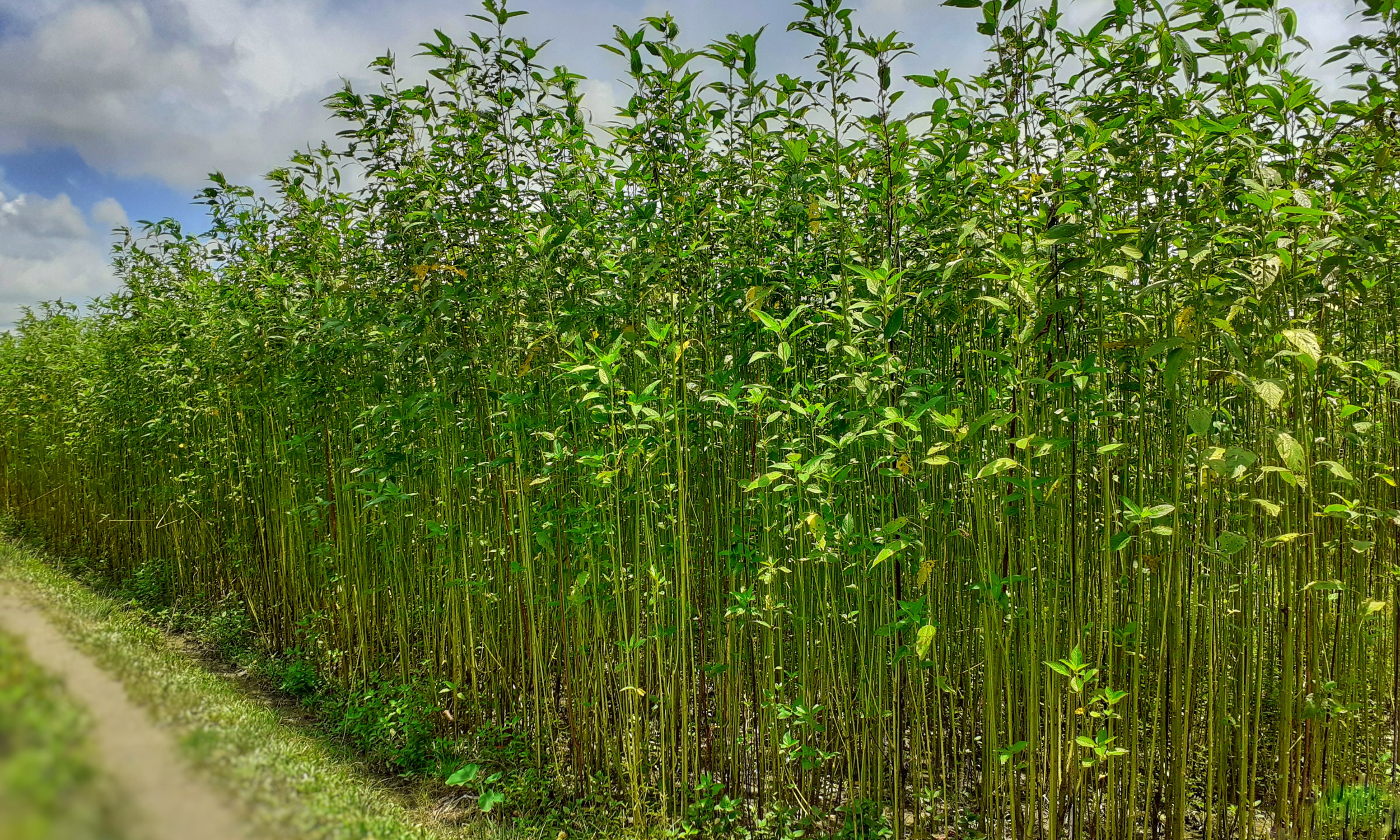
Jute is rightly regarded as the gold standard among natural fibres in the Shibari and Kinbaku community. Its unique combination of technical properties and ecological sustainability makes it clearly superior to other materials. Below, the most important advantages are presented clearly and with up-to-date data.
1. Practical Advantages for Bondage
Jute is particularly well suited for demanding bondage and suspension work:
- Very Low Elasticity
Unlike hemp or synthetic ropes, jute hardly stretches under load. This enables precise, stable knots and safe suspensions, as the tension remains constant throughout the entire session. - Optimal Texture and Friction
The natural surface structure provides excellent grip. Knots “bite” reliably and can still be safely opened and reset multiple times – a decisive safety and comfort advantage. - Skin-Friendliness and Low Allergy Rate
Without JBO (Jute Batching Oil) and other additives, jute has the lowest known allergy rate among all common rope materials. It hardly absorbs dirt, remains odour-neutral for a long time and develops a beautiful golden sheen with use. - Lightness and Handling
Jute ropes are significantly lighter than hemp ropes with comparable strength and are easier and more precise to work with.
2. Ecological and Sustainable Advantages
Jute impresses not only in practice but also in its overall ecological balance:
- Biodegradable and Circular
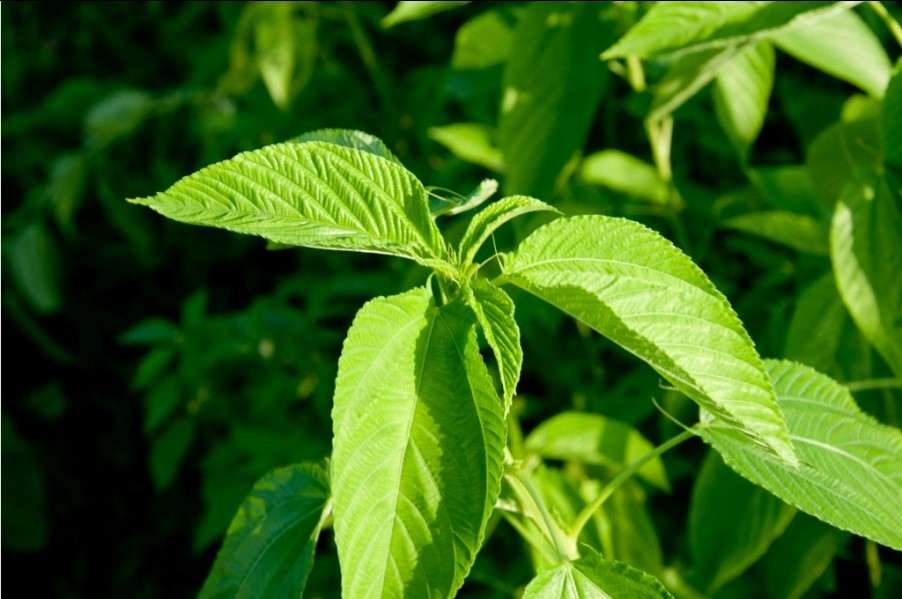
Jute is 100 % biodegradable and causes no microplastic pollution. Production waste (leaves, stem residues) is used as organic fertiliser on the fields. - High CO₂ Sequestration
One hectare of jute plants binds approximately 15 tonnes of CO₂ and releases around 11 tonnes of oxygen during the growth period. This makes jute significantly more efficient than many forests. - Fast Growth and Low Resource Consumption
As an annual plant, jute only needs 4–5 months to reach harvest. It grows mainly on rainwater and requires very little chemical fertiliser or pesticides. - Energy-Efficient Production
The production of jute products requires only about 7 % of the energy needed for comparable synthetic fibres (e.g. polyester or nylon). The total energy consumption is around 10 gigajoules per tonne of fibre. - Soil and Environmental Protection
Jute improves soil structure, reduces erosion and can be grown in rotation with rice or other crops. The plant residues left in the field promote natural humus formation.
Comparison: Jute vs. Synthetics
| Criterion | Jute (Tossa Grade 1) | Synthetic Ropes (Polyester/Nylon) |
|---|---|---|
| Elasticity | Very low | High |
| Allergy Potential | Very low | Medium to high |
| Biodegradability | 100 % (1–2 years) | No (centuries, microplastics) |
| CO₂ Balance | Strongly negative | Strongly positive |
| Energy Consumption per Tonne | approx. 10 GJ | 80–140 GJ |
| Microplastics | None | High |
Conclusion
Jute is not only the ideal material for Shibari and Kinbaku from a practical point of view, but also one of the most responsible choices from an ecological perspective. Anyone looking for high-quality, skin-friendly and sustainable ropes will find in pure Tossa jute (especially Grade 1) a material that is hard to surpass both technically and environmentally.
Book Recommendations
- The Complete Book on Jute & Coir Products (With Cultivation & Processing) – NIIR Board of Consultants & Engineers
Comprehensive standard work on cultivation, processing and sustainability of jute. - Advances in Jute Agronomy, Processing and Marketing – Buddhadeb Bhattacharya
Current technical book focusing on modern, sustainable jute production and ecological benefits.
Sources (as of March 2026)
- Food and Agriculture Organization of the United Nations (FAO): Jute, Kenaf, Sisal Statistical Bulletin
- ICAR-NINFET Kolkata: Studies on CO₂ Sequestration and Sustainability of Jute
- Journal of Cleaner Production: Life-Cycle Assessments of Jute vs. Synthetic Fibres
- Bangladesh Jute Mills Association (BJMA) and Indian Jute Mills Association (IJMA)