
Jute and Seasonal Effects: Why Every Batch Is Unique – And Why That's a Good Thing
A natural product and seasonal effects.
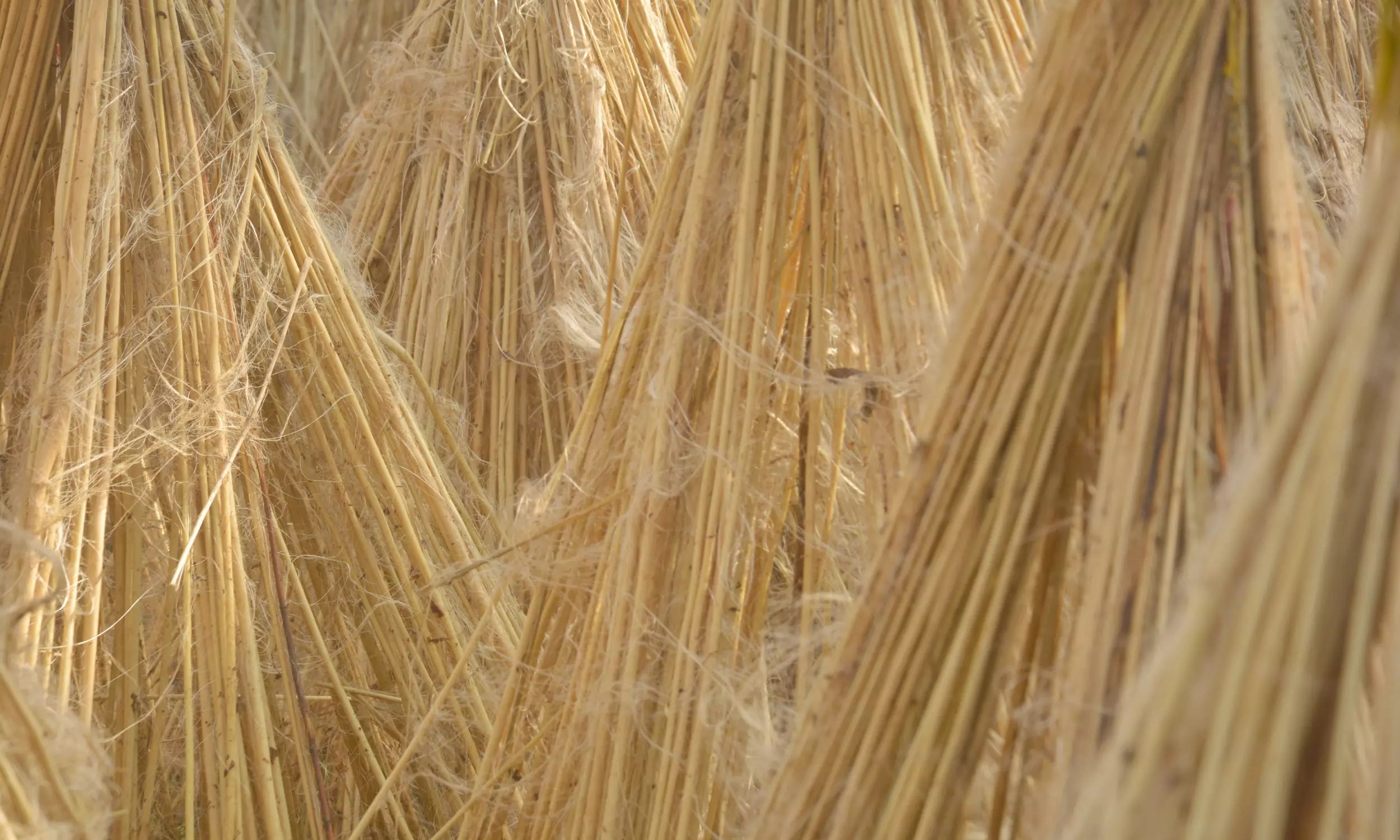
Jute variability
Jute is a true natural fiber – and that's exactly what makes it so special. Even though at AMATSUNAWA we carefully control everything from seed selection, growing area, bio-friendly composts, gentle pest control, filament quality, yarn production, rope twisting, conditioning all the way to packaging: nature always has the final say.
Rainfall, hours of sunlight, temperature patterns and extreme weather events cannot be influenced. Every harvest season is different – and this is reflected in color, shine, texture and sometimes even in fiber availability.
What exactly influences the jute fiber every year?
- Rainfall and monsoon progression
Jute needs a lot of water, especially in the first 60–80 days. A too dry monsoon leads to shorter fibers and a somewhat duller color. A too wet or delayed monsoon can alter the retting process and result in darker or less uniform tones. - Sunlight and temperature
More sun = more intense gold and stronger shine. Cooler phases or cloudy weeks can make the fiber slightly lighter and duller. - Extreme weather events
Heavy rain, flooding or sudden dry spells can significantly alter fiber quality in individual regions. - Soil and microclimate differences
Even within one growing area, a field closer to the river can produce different fibers than one slightly higher up.
What we at AMATSUNAWA still control
We deliberately select only the best Tossa jute regions, work with long-term partner mills and test every batch against minimum standards (Class 1). We reject anything that does not meet our high demands for strength, skin-friendliness and consistency.
Still, every new batch remains a small natural experience:
- One batch is a bit more golden and shinier
- The next is softer and more supple
- Some have a subtle warm undertone
Exactly this natural diversity makes real jute so authentic and alive – unlike synthetic ropes that always look and feel the same.
What this means for you as a rigger
- Slight color variations between batches are normal and not a quality defect
- Some batches need a little more conditioning, others are particularly soft right away
- Premium batches can sell out faster in some years – so it's worth grabbing them early
- Quality always remains at premium level: our strict checks ensure that strength, skin-friendliness and durability stay consistently high
Jute is not perfect. Jute is real.
And that's exactly what we love about it.