
Jute Know-How – Deep Knowledge About the Golden Fibre
Jute is far more than just a material for ropes. As one of the most sustainable and versatile natural fibres in the world, it forms the foundation of our premium Shibari ropes.
On this page, we have gathered everything you need to know about jute: from sustainable cultivation and modern processing techniques to current market developments, challenges, and practical tips on care, upcycling, and mindful use of your rope.
Whether you are just beginning your journey into Shibari or you are an experienced rigger seeking deeper understanding of your material – here you will find well-researched, transparent, and practical knowledge about the “Golden Fibre”.
Discover why Tossa Jute Grade 1 is the gold standard at AMATSUNAWA and how we combine quality, sustainability, and tradition in every metre of rope.
A well-founded collection of specialized knowledge for everyone who wants to better understand and appreciate their ropes.

Rising Soybean Oil Prices: Impact on Mineral Oil-Free Jute Rope and the Jute Market
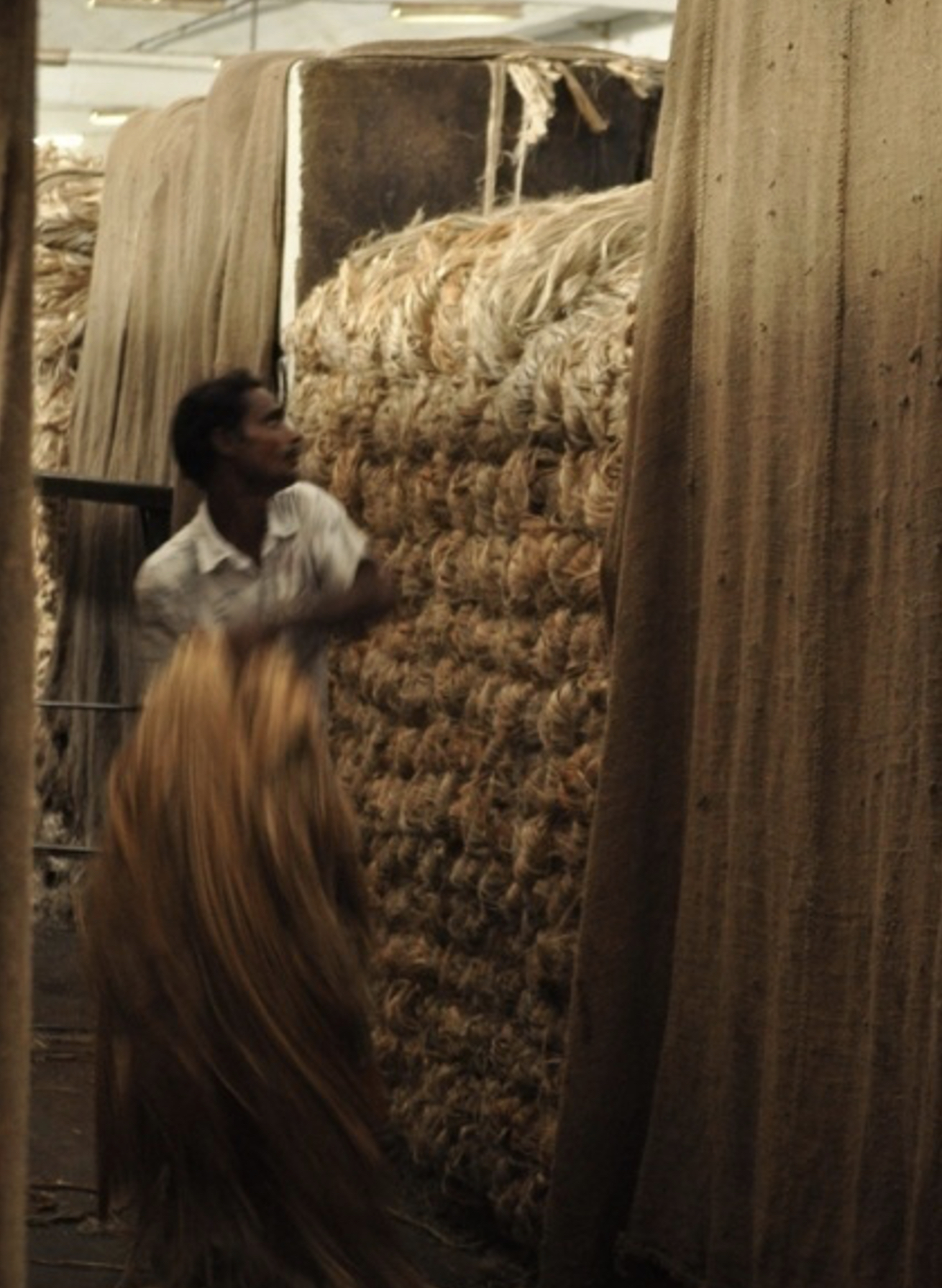
Soybean oil prices used as a batching medium in jute processing have risen significantly since the end of 2025 and remained elevated into June 2026. As a plant-based and environmentally friendly alternative to traditional mineral jute batching oil, soybean oil is becoming increasingly important for the production of high-quality, mineral oil-free jute rope (VOT – Vegetable Oil Treated).
This article examines the concrete impact of these price developments on production costs. Based on current market data and detailed calculations, the effect remains moderate: depending on the oil content and benchmark used, the additional cost burden amounts to approximately 0.011 to 0.013 USD per kilogram of rope — corresponding to a price increase of roughly 0.6 to 1.5 percent. At the same time, the global jute market continues to grow dynamically, driven by rising demand for sustainable and biodegradable materials.
The article provides manufacturers and users with a well-founded assessment of how to manage higher raw material costs without compromising on quality or the sustainability advantages of mineral oil-free jute rope.


Sustainable Jute Cultivation Techniques: The Ecological and Qualitative Transformation of the "Golden Fiber"
Sustainable jute cultivation in 2026 relies on specialised conditions in Bengal (West Bengal and Bangladesh). The Golden Fibre thrives at temperatures of 24–37 °C, 1,600–2,000 mm evenly distributed monsoon rainfall, and nutrient-rich alluvial soils with a pH of 6.0–7.5. As an annual crop, it reaches harvest maturity in only 4–5 months.
Post-harvest retting benefits from modern methods such as Ribbon Retting and the biological accelerator NINFET-Sathi, which reduce water consumption, shorten retting time and improve fibre quality by up to 1.5 grades.
Root and leaf waste serve as natural fertiliser; jute sequesters CO₂, enhances soil structure and is fully biodegradable.
Despite climate change impacts, this blend of tradition and innovation ensures consistent premium Tossa Jute Grade 1.
Jute Export Statistics in Transition: From 2000 to 2030 – Focus on Tossa Jute Grade 1, Rope Making and Shibari
Bangladesh Jute Export Statistics show first signs of recovery after four years of decline.
In FY 2024/25, 751,739 tonnes of jute goods were exported, with 409,366 tonnes already shipped in FY 2025/26 (until Feb.). Export value reached approx. 820 million USD in 2024/25 and posted +1.36 % growth in early 2025/26.
Bangladesh supplies jute goods to 138 countries. The global jute market is projected to grow from 2.8–3.0 billion USD in 2025 to 5.0–5.2 billion USD by 2030–2035 (CAGR ~5.8 %).
Jute is increasingly positioned as a sustainable technical textile for biocomposites, geotextiles and medical applications.

Jute Harvest 2025: Slight Acreage Decline, Good Yields and Sharply Rising Prices – What This Means for Shibari Ropes
The 2025 jute harvest showed a slight decline in cultivated area and record-high raw jute prices. What does this mean for the availability and pricing of premium Shibari and Kinbaku ropes? AMATSUNAWA examines the current market situation and explains why high-quality Tossa jute remains stable and fairly priced despite rising costs.
Why Jute? - It's a lot more than just fiber!
Jute is one of the most sustainable and environmentally friendly natural fibres in the world.
As a fast-growing annual herb of the genus Corchorus, the jute plant requires minimal pesticides and fertilizers and grows up to 4 metres in height within just 4–6 months.
It actively improves soil quality, sequesters large amounts of CO₂ and produces significantly more biomass per hectare than cotton or hemp.
Compared to synthetic fibres or cotton, jute is fully biodegradable, compostable and leaves no microplastics behind.
At AMATSUNAWA, only premium Tossa Jute Grade 1 from sustainable cultivation is used – completely free from harmful Jute Batching Oils (JBO).
The result is skin-friendly, durable Shibari ropes that excel not only in performance but also in ecological and ethical responsibility.
Discover why jute is the ideal fibre for conscious Kinbaku and Shibari practitioners: from its natural properties and positive CO₂ balance to its complete biodegradability at the end of the product life cycle.
Jute and Seasonal Effects: Why Every Batch Is Unique – And Why That's a Good Thing
Jute is a natural fibre and, like wine or wood, is influenced by seasons, weather and soil conditions. Harvest time, rainfall, sunlight and humidity during growth and processing significantly affect the colour, lustre, fineness and feel of the fibres.
At AMATSUNAWA, every batch is carefully inspected and processed. Even though we always use Tossa Jute Grade 1, there are subtle differences between harvests. Some batches are slightly more golden and lustrous, others firmer or softer in hand.
These natural variations are not a quality issue, but a sign of genuine, unadulterated natural fibre. We document and optimise each batch individually so that HASHIRA, KIYOMI and MITSUKI consistently deliver the usual high quality, grip and skin-friendliness despite seasonal differences. This gives every AMATSUNAWA rope its own unique, natural character.

Jute Yarn at AMATSUNAWA – Manufacturing Process, Quality and Importance for Shibari Ropes
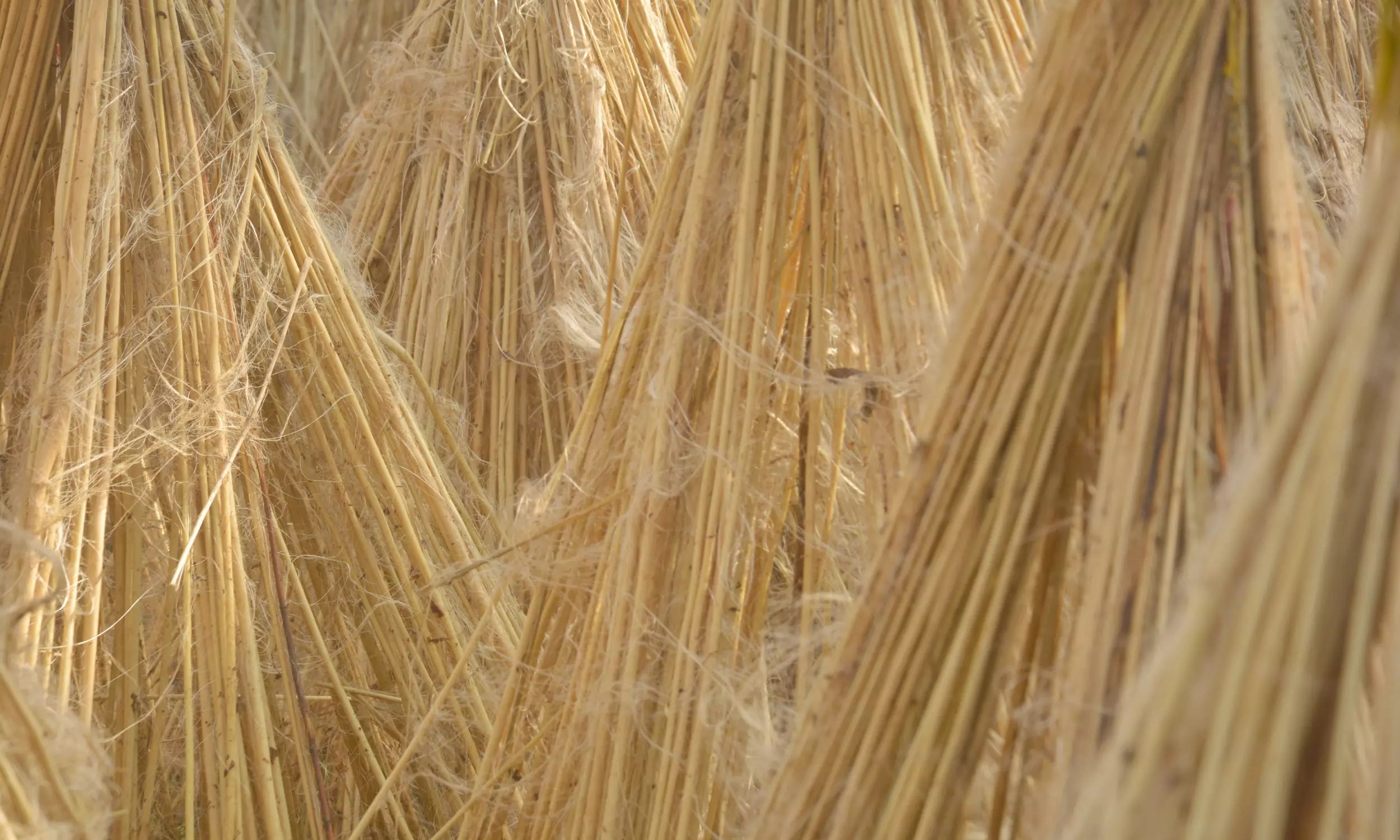
Jute yarn is the foundation of every high-quality Shibari rope. At AMATSUNAWA, only yarn made from the finest Tossa Jute Grade 1 (TD1 / Bangla Tossa Special) is used – the highest and most premium quality grade available.
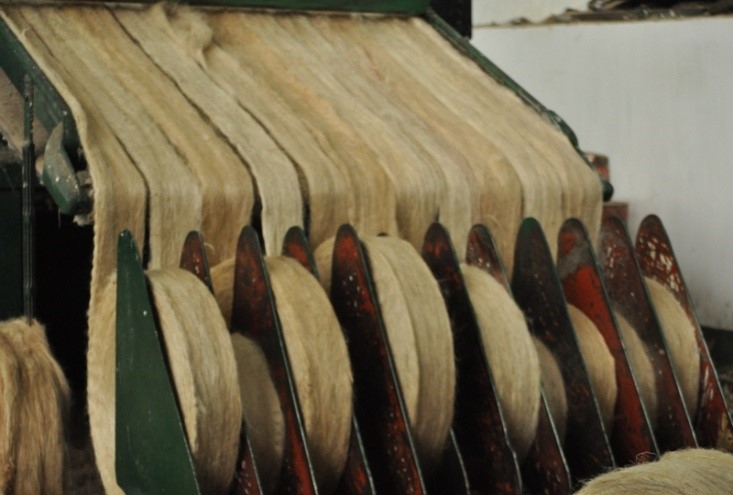
Discover in detail how raw jute bales are transformed through gentle batching with natural, JBO-free emulsions, precise carding, multi-stage drawing, controlled spinning and twisting into a yarn that delivers optimal grip, superior tensile strength and excellent skin-friendliness.
Jute Batching Explained: The Essential Softening Process for High-Quality Jute Yarn Production
Jute batching is the essential softening stage in jute yarn production. Raw, wiry filaments are treated with oil-water emulsions to become pliable for spinning.
This article explores the 1833 invention in Dundee, modern techniques, the comparison between mineral and vegetable oils – including high-priced, non-rancidifying 100% Vitamin A/D fortified cold-pressed soybean oil – and the significant health and environmental benefits of sustainable vegetable-oil batching.

Jute Cultivation: Where Does the Golden Fibre Grow and What Does It Need?
Where does the best jute for Shibari ropes grow? This article explains the special growing conditions in Bengal, the influence of the monsoon, and modern techniques like NINFET-Sathi – helping you understand why Tossa Jute Grade 1 is the gold standard for premium ropes.